

The Rise of Hidden Ventilation Solutions: Defining HVAC Trends for 2026
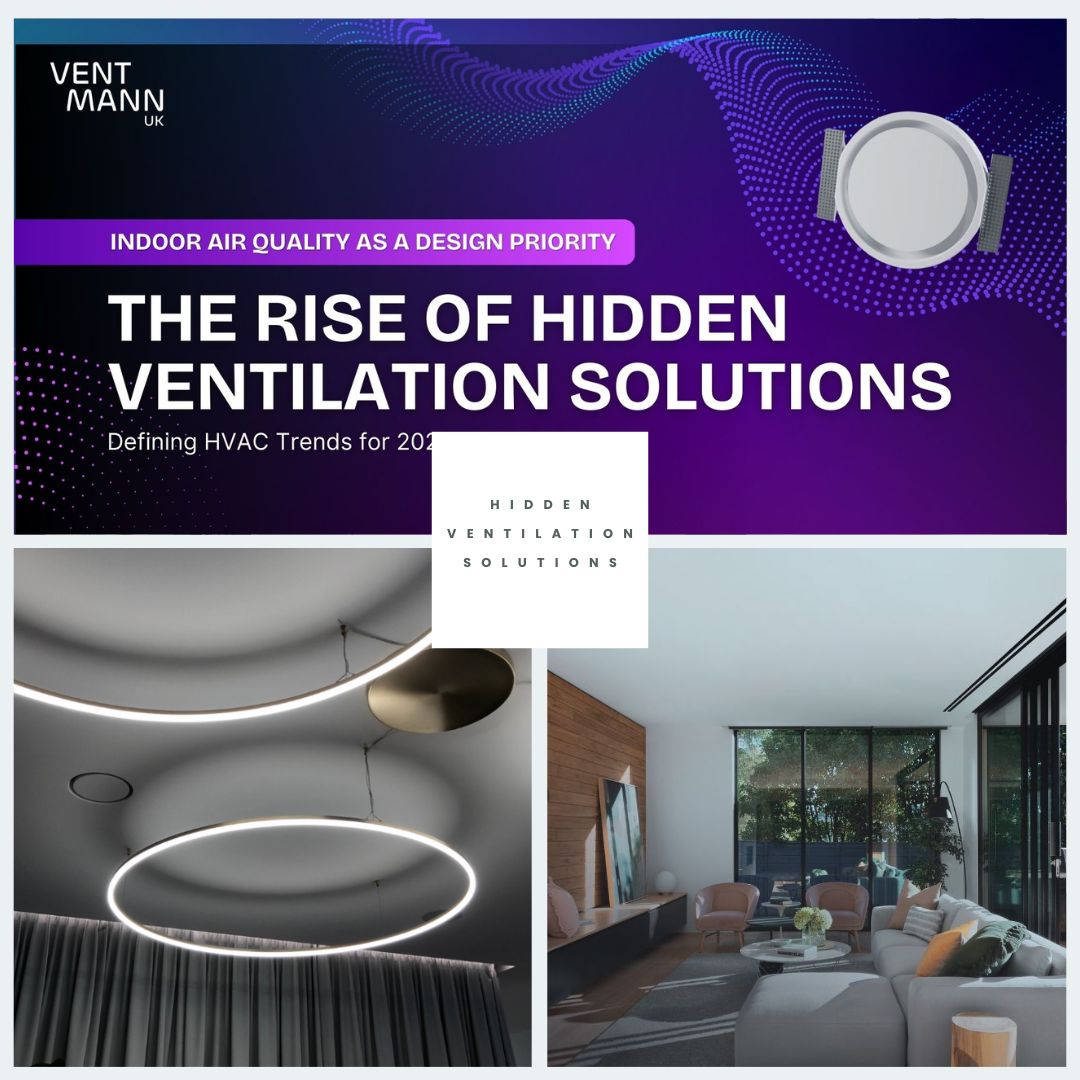
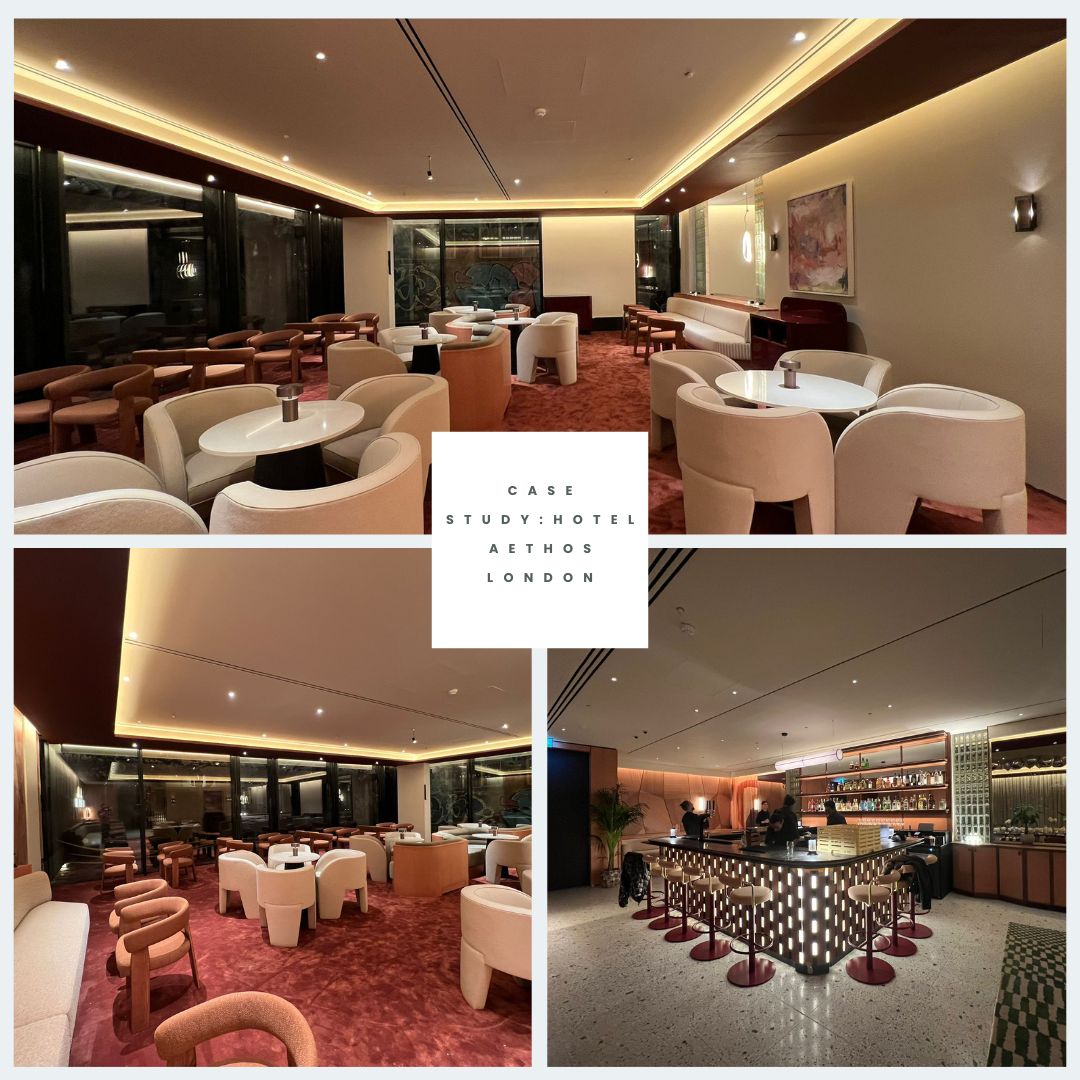
As we enter 2026, architectural and interior design priorities are continuing to evolve in a decisive way. Ventilation is no longer regarded as a visible technical requirement that must be accommodated within a space. Instead, it is increasingly treated as an integral part of the architectural language itself. Hidden and discreet ventilation solutions—once reserved for highly specialised or premium projects—are now becoming a standard expectation across residential, commercial, and hospitality environments.
This evolution is being driven by higher expectations around indoor air quality, thermal comfort, energy performance, and visual simplicity. At Ventmann UK, we see concealed ventilation not as a passing trend, but as a natural progression in how modern buildings are designed, delivered, and experienced.
Indoor Air Quality as a Fundamental Design Priority
Health, wellbeing, and long-term comfort are now central to building performance strategies. Architects, developers, and consultants increasingly recognise that high indoor air quality must be achieved without compromising aesthetics. Concealed ventilation systems enable consistent, balanced airflow while remaining fully integrated into ceilings and walls, supporting both occupant wellbeing and architectural intent.
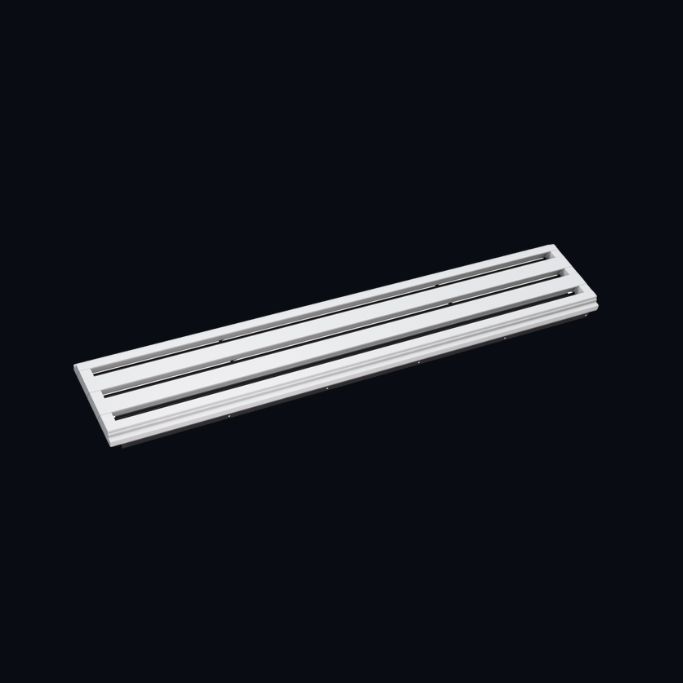
By removing exposed grilles, visible terminals, and intrusive HVAC components, hidden diffusers allow for clean lines, uninterrupted surfaces, and refined interior spaces—without sacrificing technical performance or compliance.
Seamless Integration for New Builds and Refurbishment Projects
Adaptability remains a key driver behind the growing adoption of hidden ventilation. As energy regulations tighten and existing buildings require performance upgrades, designers are seeking HVAC solutions that can be implemented efficiently in both new constructions and retrofit projects.
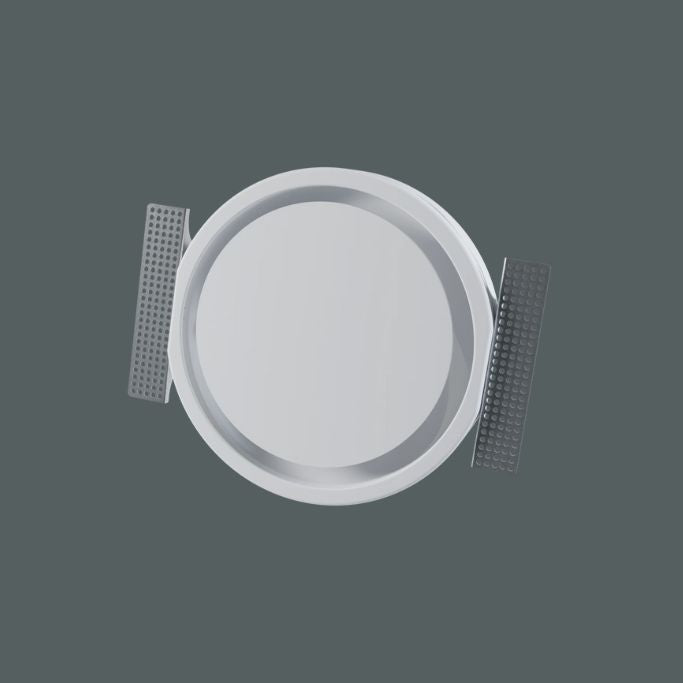
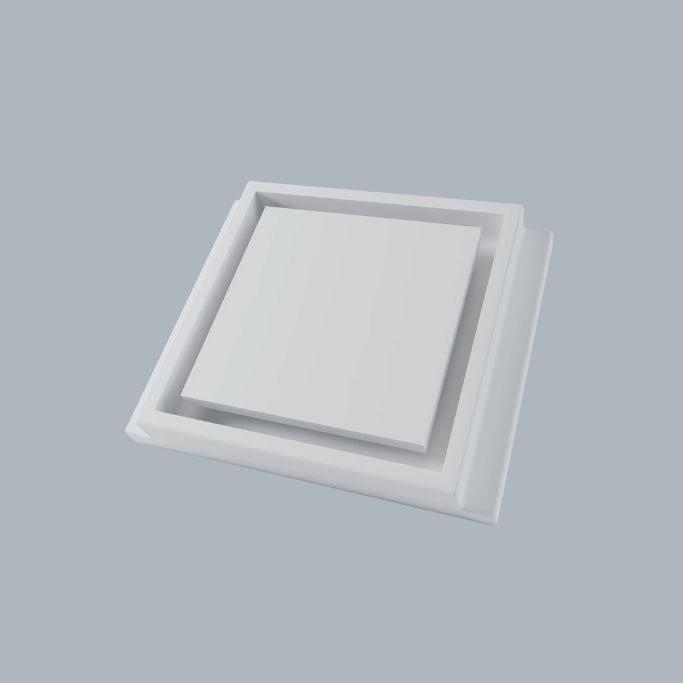
Modern concealed systems are engineered for flexibility, featuring compact plenum solutions, efficient installation methods, and compatibility with contemporary mechanical ventilation requirements. This makes them particularly suitable for refurbishment schemes, where minimising disruption, preserving architectural character, and maintaining visual quality are essential.
Hidden ventilation allows performance improvements to be delivered discreetly, without altering the original design intent of the space.
The Ventmann UK Approach
At Ventmann UK, our architectural diffusers are developed specifically for design-led projects where aesthetics and performance must work in parallel. Our gypsum-based solutions integrate seamlessly into plaster ceilings and architectural surfaces, delivering precise air distribution while remaining virtually invisible.
We collaborate closely with architects, interior designers, engineers, and contractors to ensure that ventilation enhances the overall spatial experience rather than competing with it. In today’s market, discreet, high-performance ventilation is no longer optional—it is a core requirement.
Looking Ahead Through 2026
The direction of HVAC is clear: solutions must respect architectural integrity, support occupant wellbeing, and meet increasingly demanding performance and sustainability standards. In 2026, hidden ventilation continues to set the benchmark for how air distribution should be delivered in modern buildings.
Ventmann UK remains committed to advancing this approach, supporting projects where comfort, design excellence, and long-term value go hand in hand.
#VentmannUK #HiddenVentilation #ArchitecturalDiffusers #IndoorAirQuality #HVACDesign #BuildingInnovation #DesignLedHVAC #2026Trends